Algorithmic Fairness in Shuffle Systems: How RNG Audits Influence Trust Patterns Among App-Based Card Players

App-based card platforms rely on random number generators to simulate physical shuffles yet players continue to question whether those systems deliver truly unbiased outcomes across repeated sessions. Data from multiple jurisdictions shows that when independent audits verify the integrity of these algorithms trust metrics among users tend to stabilize over time. Researchers at various institutions have tracked how disclosure of audit results correlates with changes in player retention rates on mobile poker and blackjack applications.
Random number generator technology underpins every digital deck distribution in these environments and certification bodies examine the underlying code for statistical randomness along with resistance to prediction or manipulation. The process involves testing sequences against established benchmarks such as those outlined by the Nevada Gaming Control Board which maintains detailed standards for electronic gaming components. When platforms publish summaries of these evaluations users receive concrete evidence that the shuffle mechanisms meet external criteria rather than relying solely on operator assurances.
Mechanics of RNG Implementation in Card Applications
Modern shuffle algorithms combine cryptographic functions with entropy sources drawn from hardware or environmental inputs to produce card sequences that resist reverse engineering. Developers integrate multiple layers of seeding and hashing so that even minor variations in initial conditions generate entirely different deck orders. Observers note that platforms which expose the technical specifications of these layers often see higher engagement from experienced players who can review the methods themselves.
Audits typically occur at regular intervals and cover both the core generator and the integration points where results translate into virtual card hands. Testing firms examine millions of simulated shuffles to confirm uniform distribution across suits and ranks while also checking for patterns that might emerge under specific load conditions. Figures from industry reports indicate that platforms completing quarterly audits experience fewer support tickets related to suspected rigging compared with those that conduct reviews less frequently.
Audit Processes and Their Role in Building Credibility
Independent verification extends beyond basic randomness checks to include source code reviews and live monitoring of deployed systems. Auditors assess whether operators have implemented adequate controls against insider access or external tampering that could alter shuffle outcomes. Those who've examined audit reports across regions find that detailed public summaries tend to reduce speculation in player forums and community discussions.
Regulatory frameworks in several markets require operators to maintain current certifications and to notify users when audits reveal any deviations. In May 2026 certain jurisdictions plan to expand these disclosure rules as part of broader updates to online gaming oversight which may further standardize how shuffle fairness information reaches app users. Platforms that already align with such practices report steadier trust patterns measured through survey responses and session duration data.
Observed Effects on Player Behavior and Retention
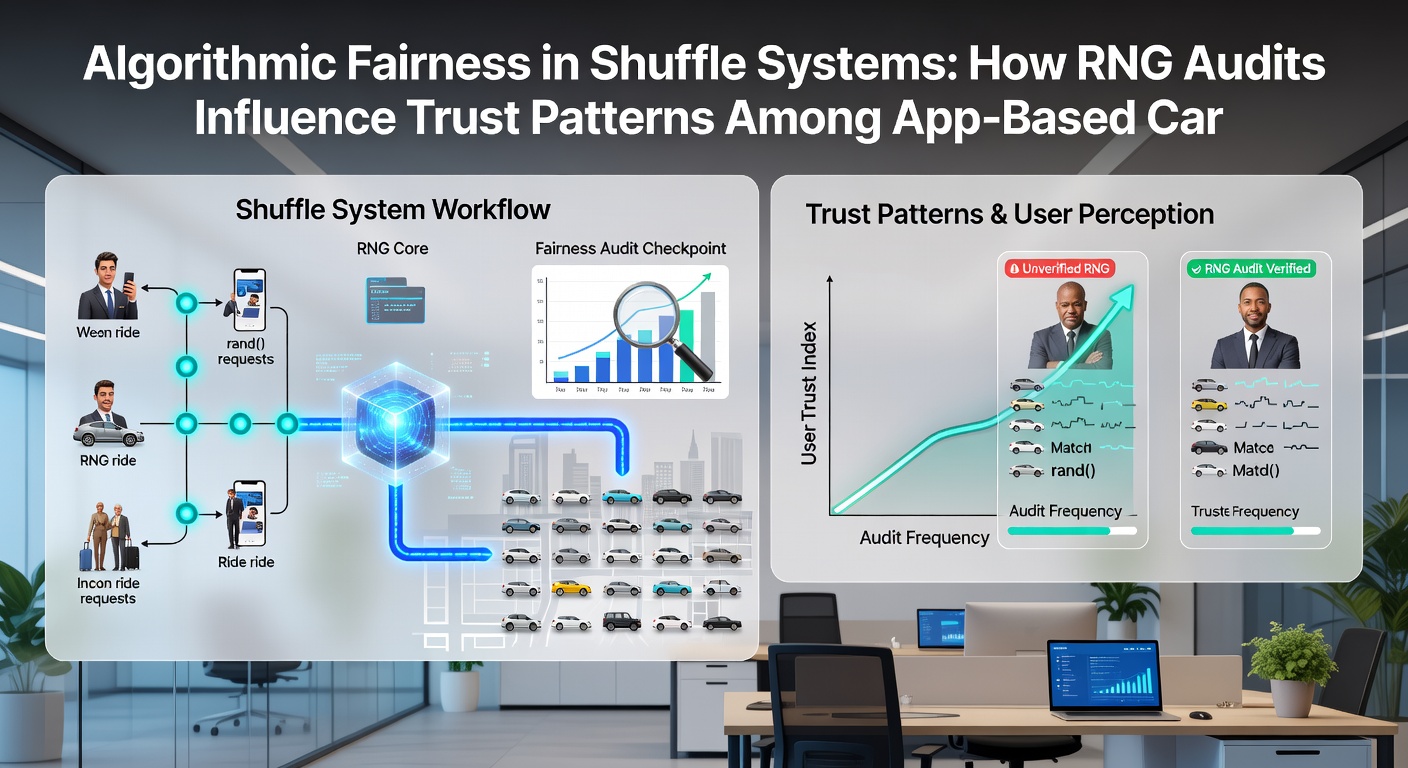
Trust patterns emerge through repeated interactions where users compare expected outcomes against actual results and adjust their participation accordingly. Studies conducted by academic groups such as those affiliated with University of Sydney research initiatives have documented correlations between publicized audit successes and increased deposit activity on audited platforms. When discrepancies arise and receive prompt correction players often return once the resolution details become available.
Conversely platforms that withhold audit information or experience repeated certification delays encounter measurable drops in active accounts. Data collected from app analytics providers reveals that trust erosion spreads quickly through social channels where users share experiences and compare notes on shuffle consistency. Operators have responded by integrating audit status badges directly into application interfaces so that users can view certification dates without leaving the platform.
Regional Variations in Audit Standards
Different markets apply distinct requirements for RNG testing frequency and transparency levels which creates varied trust environments for players who access multiple applications. European and North American regulators emphasize cryptographic validation while certain Asian jurisdictions focus more on operational logging and real-time monitoring. These differences influence how app developers prioritize their compliance investments and how they communicate results to international user bases.
One study revealed that players who frequently switch between regional platforms develop preferences for those with the most accessible audit documentation. Such preferences translate into loyalty metrics that operators track closely when planning expansion into new territories. As regulatory expectations evolve toward May 2026 alignment across borders may reduce confusion and support more consistent trust patterns globally.
Future Directions for Algorithmic Verification
Emerging techniques such as blockchain-based logging of shuffle seeds offer additional transparency layers that complement traditional audits. Several platforms have begun piloting systems where users can independently verify specific hands against public records of the random sequence. These developments build on existing certification practices and may further strengthen confidence among technically inclined players.
Continued research into player psychology and statistical literacy will help determine which forms of audit disclosure prove most effective at sustaining long-term engagement. Industry groups continue to collaborate on standardized reporting formats that balance technical detail with accessibility for non-expert users.
Conclusion
RNG audits serve as a measurable bridge between algorithmic processes and user perceptions in app-based card environments. Platforms that maintain rigorous independent verification and communicate results clearly tend to experience more stable trust patterns over extended periods. As regulatory landscapes shift in 2026 the emphasis on transparent shuffle fairness will likely intensify across markets and influence how developers design both their systems and their communication strategies.