Community Initiatives Fostering Equilibrium in Digital Card Tournaments
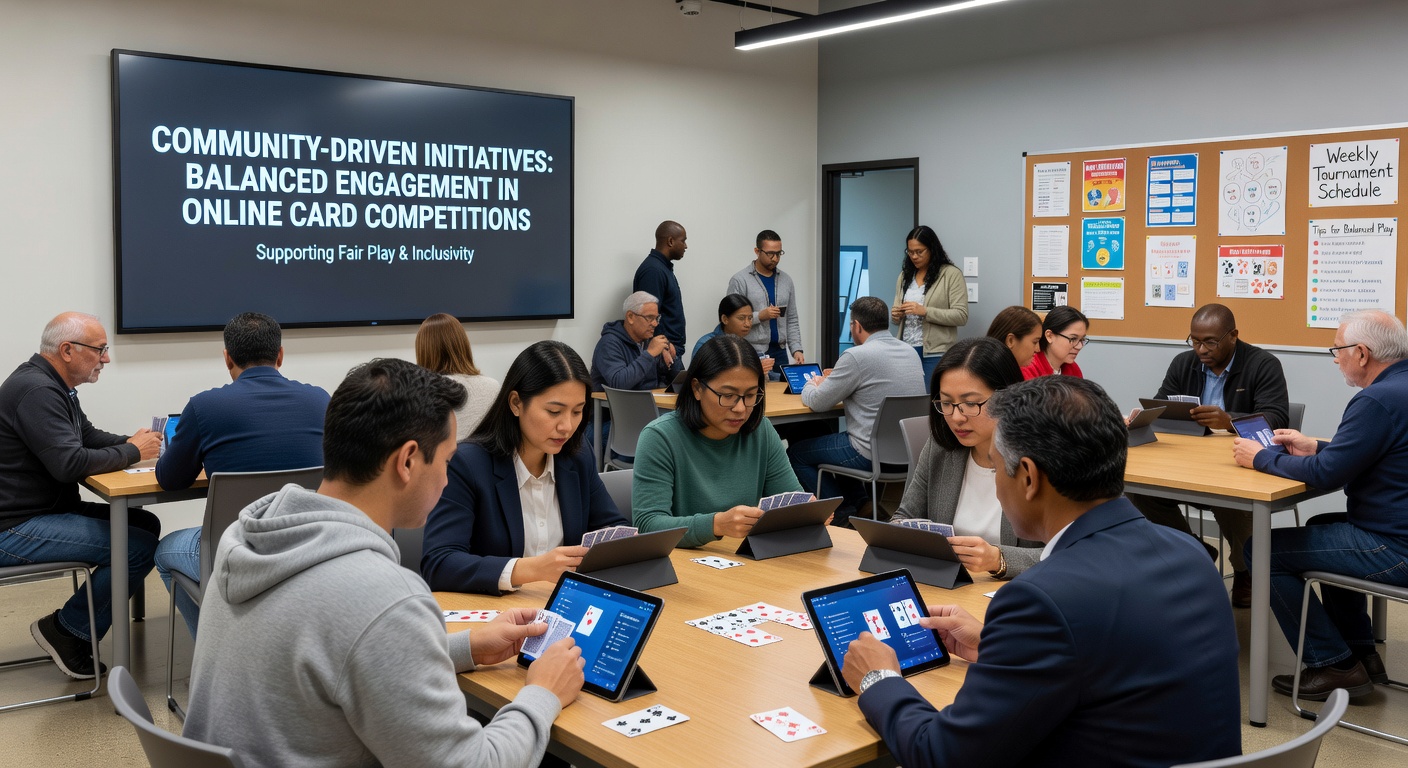
Player-led groups have expanded their reach across online card platforms in recent years, creating structured programs that promote steady participation while addressing fatigue and fairness concerns, and data collected through June 2026 shows these networks operating in multiple regions with measurable effects on session lengths and retention rates among regular competitors.
Volunteer Moderation Structures Taking Shape
Observers note that independent moderation teams formed on Discord servers and dedicated forums handle rule enforcement in popular card rooms, where volunteers review reported incidents and maintain discussion spaces that discourage aggressive behavior during tournaments; these setups emerged organically after several platforms experienced spikes in disputes during 2025, leading to documented reductions in escalated complaints once community standards gained traction.
Research indicates that such volunteer systems often coordinate with platform operators through shared reporting tools, allowing faster responses to issues like collusion signals or repeated rule violations without relying solely on automated detection methods, while participants in these moderation circles report clearer guidelines emerging from collective input rather than top-down policies alone.
Educational Sessions and Skill-Sharing Networks
Community organizers run regular webinars and recorded sessions that break down tournament strategies alongside time-management techniques, drawing participants from North America, Europe, and Asia-Pacific areas who share anonymized session data to illustrate patterns of sustainable play, and one initiative tracked through mid-2026 recorded over 4,200 attendees across twelve events focused on recognizing signs of extended sessions that might affect decision quality.
Those who've studied these programs point out that skill-sharing extends beyond strategy to include explanations of platform features such as break reminders and session timers, which players integrate into personal routines after group discussions highlight their practical use in maintaining focus during multi-hour events.
Wellness Advocacy and Peer Support Channels
Groups centered on balanced participation have established peer support channels where members exchange experiences about maintaining other life commitments alongside competitive schedules, with structured check-in threads appearing weekly on several major platforms, and figures from industry associations show these channels correlating with increased use of optional cool-down features provided by operators.

Turns out these advocacy efforts often partner with regional research bodies to distribute resources on recognizing personal limits, including materials adapted from studies conducted by the Australian Institute of Criminology that examine digital gaming habits across different age groups and competition formats.
Regional Examples and Cross-Platform Coordination
In Canada, player associations have compiled regional data sets shared through open repositories that track participation trends in online card events, revealing steady growth in community-moderated satellite tournaments that feed into larger series while incorporating built-in rest periods between rounds; similar patterns appear in reports from the Canadian Gaming Association covering activity through spring 2026.
European player collectives meanwhile focus on multilingual resources that translate fairness guidelines into local languages, enabling broader access to discussions about rule consistency across borders, and these efforts connect through joint working groups that meet quarterly to align standards without overlapping existing regulatory frameworks.
One study revealed that coordination between these regional networks and academic researchers produced joint surveys distributed in early 2026, gathering responses from thousands of active card competitors about factors influencing their decision to extend or shorten sessions, with results feeding back into updated community guidelines released in June of that year.
Platform Integration and Measurable Outcomes
Platform operators have begun incorporating feedback loops from these community initiatives into feature updates, such as enhanced reporting dashboards that flag repeated patterns flagged by volunteer moderators, and this integration shows up in usage statistics where rooms adopting community-suggested tools report higher compliance rates with voluntary session caps during peak tournament periods.
What's interesting is how these developments create feedback cycles where player input directly shapes tool refinements, allowing adjustments based on aggregated anonymized data rather than isolated complaints, and this approach has spread to several mid-tier card platforms seeking to differentiate through community alignment.
Conclusion
Community-driven structures continue to influence engagement patterns in online card competitions by supplying volunteer oversight, educational content, and support networks that operate alongside commercial platforms, with activity levels documented through June 2026 demonstrating sustained participation across varied geographic areas and competition formats, while external links to organizations such as the National Council on Problem Gambling and the Australian Institute of Criminology provide additional context on related research efforts in different regions.