Global Holidays Shape Peak Hours on International Poker Networks
Written by Morgan Koch · Aug 8, 2026
Global Holidays Shape Peak Hours on International Poker Networks
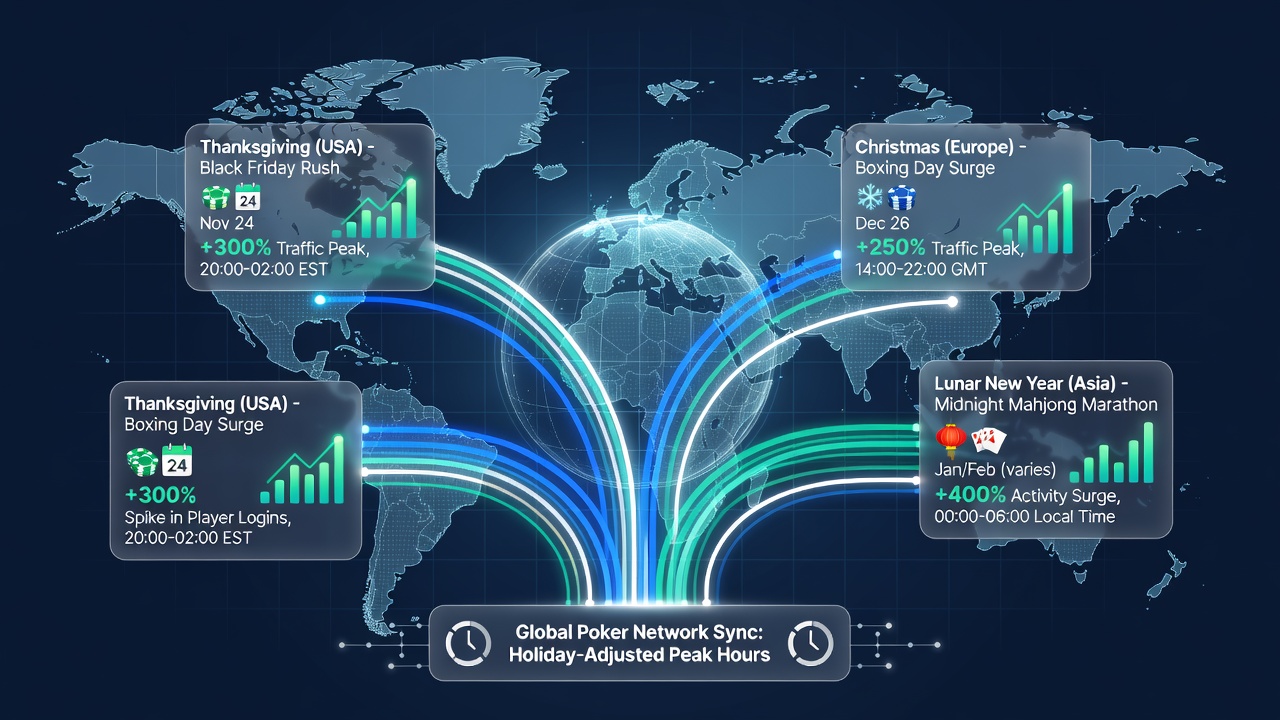
International poker networks experience distinct surges in player traffic when major holidays align with extended leisure periods across different time zones, and data from network monitoring services shows consistent patterns tied to regional calendars. Observers note that platforms operating across multiple continents see activity peaks shift as participants in Europe, Asia, the Americas, and Oceania take time off work or school.
Western Holiday Patterns and Network Load
Christmas and New Year periods in North America and Europe often coincide with increased evening logins on networks that host players from those regions, since many users gain extra days away from standard work schedules. Research from industry analysts indicates these holidays produce measurable upticks in session lengths during afternoon and early evening hours in UTC, because participants from the United States and Canada join after family gatherings while European players remain active later into their night. Thanksgiving in the United States creates a similar but shorter window, with traffic rising sharply on the Wednesday and Thursday of that week as people adjust their routines around travel and meals.
Asian Festivities Drive Regional Surges
Lunar New Year celebrations across China, South Korea, Vietnam, and Singapore generate separate spikes that international networks capture through localized player bases, and figures from traffic tracking firms reveal elevated activity during daytime hours in those countries that translate into late-night peaks on global servers. Diwali in India and surrounding nations produces comparable effects, with extended family time allowing more participants to join tournaments and cash games during what would otherwise be standard workdays. Observers tracking these patterns point out that networks adjust server capacity in anticipation because the overlap with Western holidays can compound overall load when multiple regions celebrate simultaneously.
European and Southern Hemisphere Variations
Summer holidays in Australia and New Zealand during December and January align with northern winter festivities, creating extended high-activity periods for networks that serve both hemispheres, while data shows that August periods in Europe bring steady but moderate increases as school breaks allow younger players more access. Canadian Thanksgiving and various national days in Latin American countries add further layers, each contributing localized bumps that networks register through real-time analytics. Those who monitor these networks find that August 2026 followed the established trend, with European summer breaks producing noticeable evening activity rises without the dramatic spikes seen during December holidays.
Time Zone Overlaps and Platform Adjustments
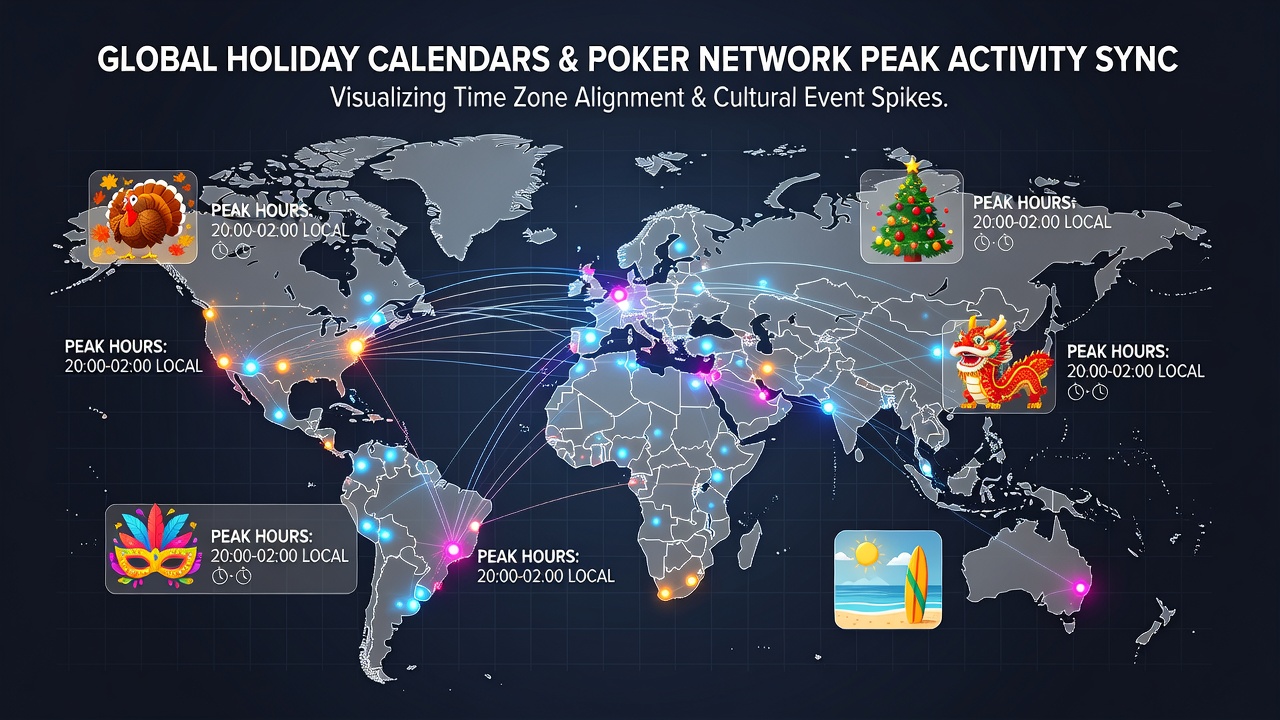
Networks must account for how holiday leisure time in one zone overlaps with standard hours elsewhere, and reports from platform operators demonstrate that servers handling traffic from both Asia and the Americas often run at capacity when Chinese New Year coincides with weekend play in North America. Experts at regulatory bodies such as the International Association of Gaming Regulators have documented these synchronized patterns through aggregated reports, noting that operators increase staffing and bandwidth during predicted high-traffic windows. Australian authorities through their national gaming oversight channels similarly track how local holidays influence cross-border participation on international sites.
One study from a European university research group examined multi-year logs and confirmed that holiday calendars reliably predict activity clusters better than random weekday variations, because extended free time allows players to participate in longer sessions or multiple tables. Networks respond by scheduling maintenance outside these windows and by promoting region-specific events that further boost engagement during those periods.
Conclusion
Holiday calendars around the world continue to dictate when international poker networks reach peak activity, with each major celebration adding distinct layers to global traffic patterns. Data collected across platforms shows these alignments remain predictable, allowing operators to prepare infrastructure and maintain service levels as regional leisure schedules shift throughout the year. August 2026 provided another example of how summer breaks in certain regions produce measurable but contained increases that fit within the broader annual cycle.