Player Migration Patterns in Online Card Platforms Post Regulatory Reforms Worldwide
Written by Riley Perry · Jul 27, 2026
Player Migration Patterns in Online Card Platforms Post Regulatory Reforms Worldwide
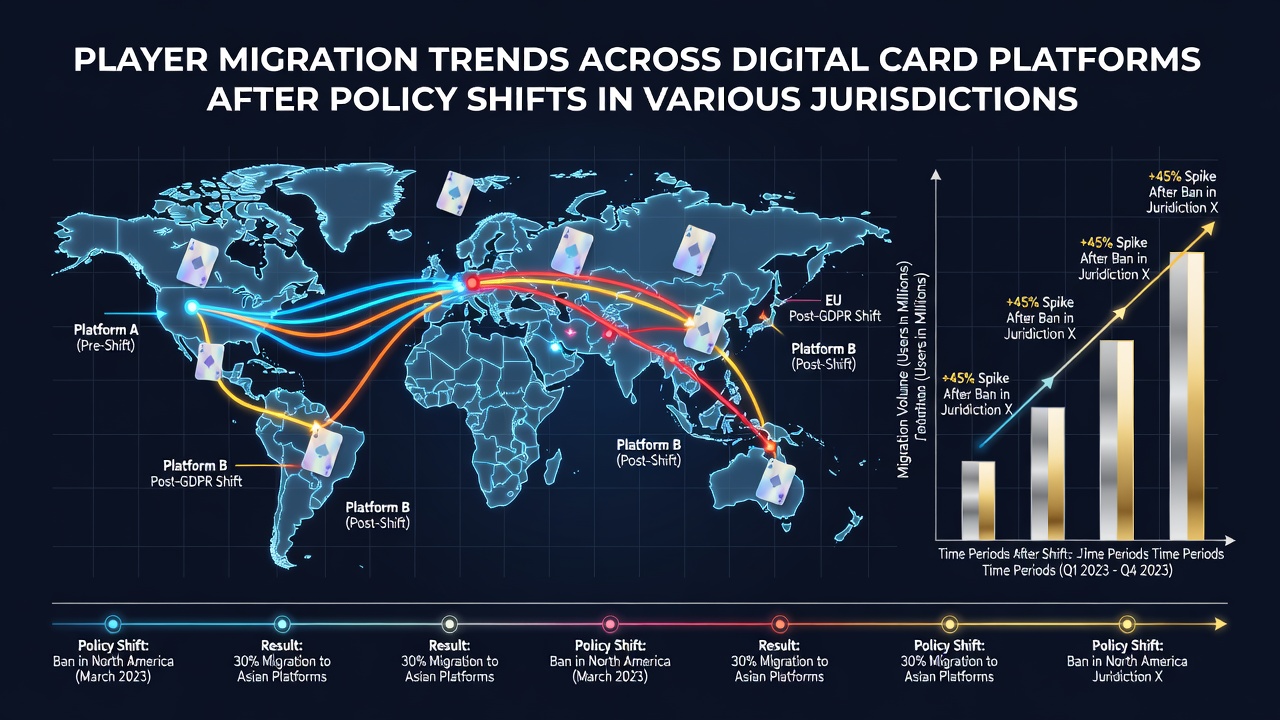
Policy adjustments across several regions have prompted measurable movements among users of digital card platforms since early 2025, with data through July 2026 revealing consistent patterns of relocation tied to licensing requirements and access restrictions. Regulators in Australia and parts of Canada implemented updated frameworks that altered how operators could serve local audiences, while similar measures in select European markets and Latin American jurisdictions created new compliance hurdles. These shifts coincided with changes in user behavior, as players sought platforms that maintained uninterrupted service under revised rules.
Regulatory Changes Driving Relocation
Australian Communications and Media Authority records show that after the enforcement of stricter licensing for interactive gaming services in late 2025, a portion of domestic users migrated toward platforms holding multi-jurisdictional approvals. The same period saw increased activity on sites licensed in Malta and the Isle of Man, which already maintained established compliance structures. Data indicates that operators without local licensing experienced noticeable drops in Australian traffic, while those wth broader credentials retained or gained share. In Ontario, updates to the iGaming framework produced parallel effects, with users gravitating toward provincially regulated environments or international sites that adapted quickly to cross-border standards.
Observed Movement Trends Through Mid-2026
Industry reports compiled by the European Gaming and Betting Association highlight that between January and July 2026, several card-focused platforms recorded changes in regional user distribution. Platforms operating under multiple licenses saw inflows from jurisdictions tightening single-market rules, whereas single-jurisdiction operators faced outflows. One study from a research group at the University of Nevada, Reno tracked session data and found that users often tested two or three alternative services before settling on a new primary platform. The patterns emerged most clearly in markets where policy updates included explicit prohibitions on certain game formats or deposit methods.
What's notable is how quickly these transitions occurred once announcements were made. In jurisdictions where enforcement dates were publicized months in advance, preparatory account creation on alternative platforms rose steadily in the weeks leading up to implementation. Post-enforcement figures reveal that many users did not return to their original services even after temporary workarounds appeared.
Platform Responses and Licensing Strategies
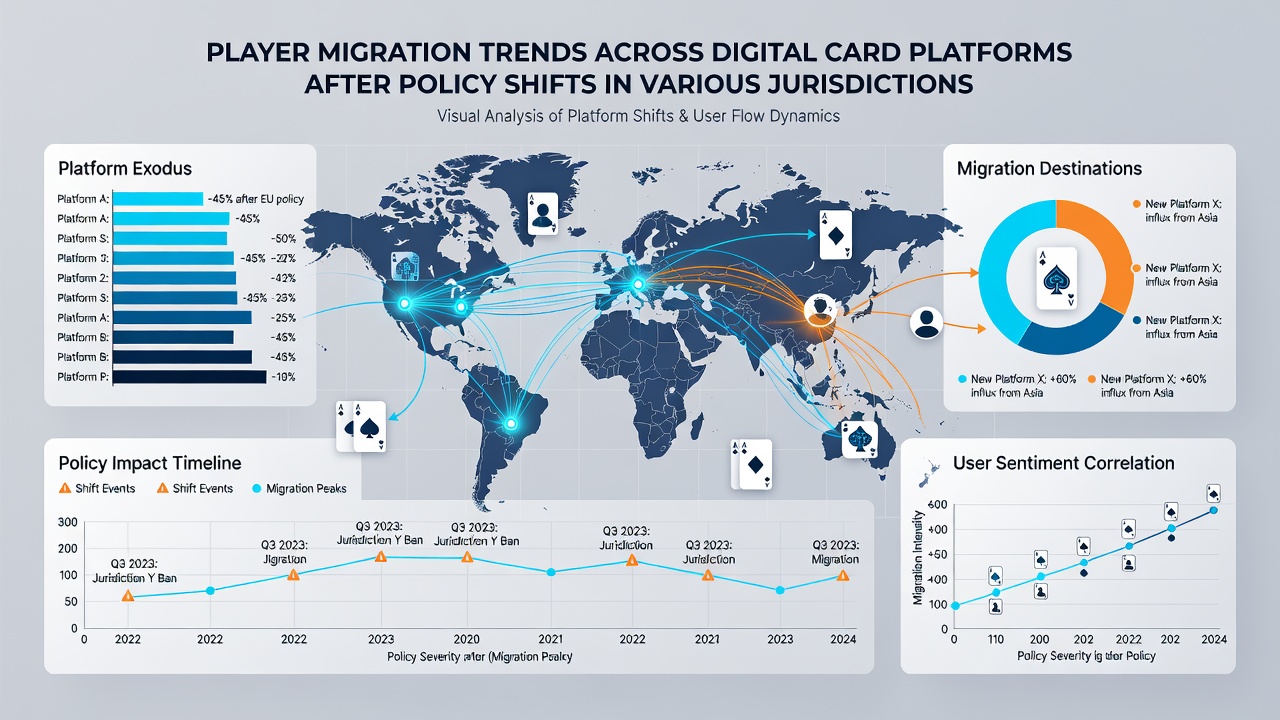
Operators responded by accelerating applications for additional licenses or forming partnerships with locally approved entities. Several major card platforms expanded their presence in Latin American markets where regulatory clarity improved during 2025, drawing users who previously relied on services based elsewhere. Data from these regions shows steady growth in registered accounts coinciding with the timing of policy announcements in more restrictive jurisdictions. Those platforms that maintained diverse licensing portfolios experienced smaller net losses compared with competitors holding fewer approvals.
Observers tracking user behavior note that migration often followed predictable routes. Users from markets with sudden access limits frequently moved toward platforms already compliant in neighboring or allied regulatory zones. This created clusters of activity around a handful of well-positioned operators. Session length and deposit frequency remained relatively stable among migrated users, suggesting that the primary driver was continued access rather than changes in playing style.
Regional Variations in User Behavior
Patterns differed by region. In areas with long-standing restrictions, users demonstrated higher familiarity with multi-platform strategies and adapted more rapidly. In contrast, newer regulatory environments saw slower initial movement followed by sharper spikes once enforcement began. Reports from Canadian provincial regulators and Australian oversight bodies both document these staggered timelines, with the sharpest activity occurring in the first 60 days after new rules took effect.
Additional factors influencing migration included payment processing availability and language support. Platforms offering seamless transitions for existing balances and player histories retained larger shares of relocating users. Those requiring full re-registration encountered higher abandonment rates during the switch.
Conclusion
By July 2026 the cumulative effect of these policy shifts had produced a more fragmented yet interconnected landscape for digital card platforms. User movements concentrated around operators with flexible licensing arrangements, while single-market services faced ongoing pressure. Continued monitoring by regulatory bodies and industry groups will determine whether these patterns stabilize or evolve further as additional jurisdictions finalize their own frameworks.