Seasonal Schedules Driving Shifts in Worldwide Online Poker Tournament Entries
Written by Morgan Koch · Aug 27, 2026
Seasonal Schedules Driving Shifts in Worldwide Online Poker Tournament Entries
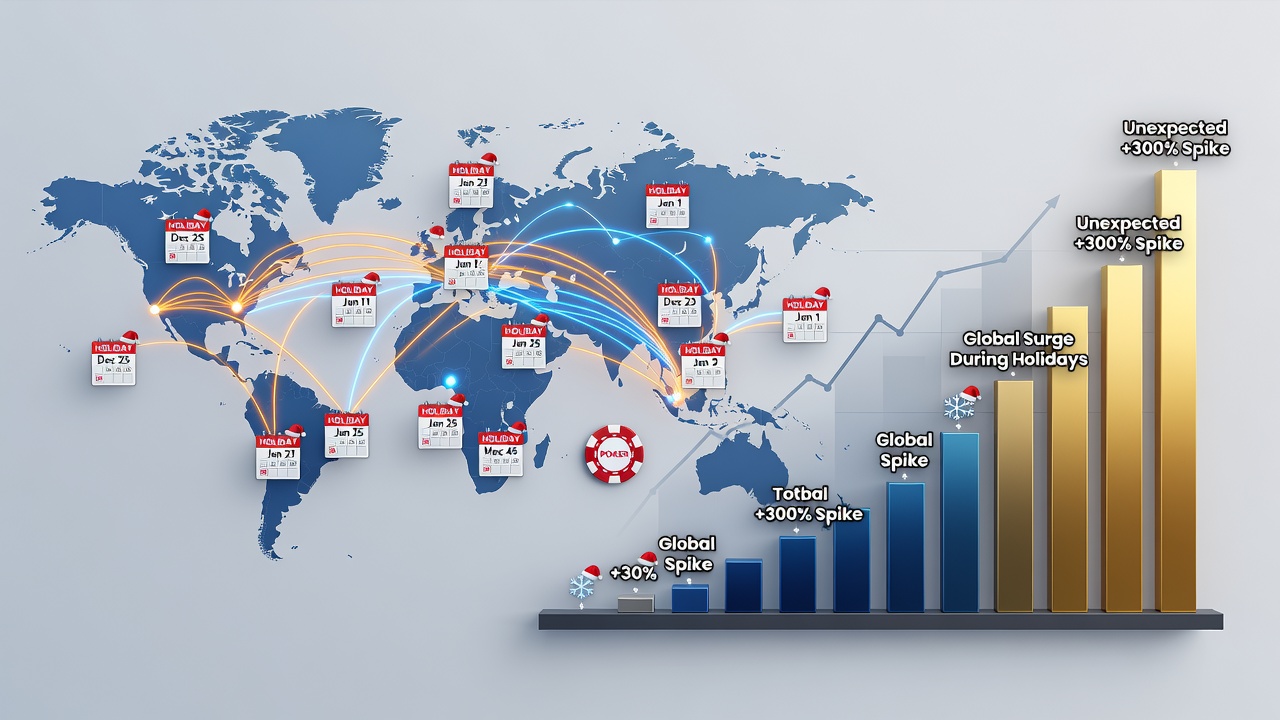
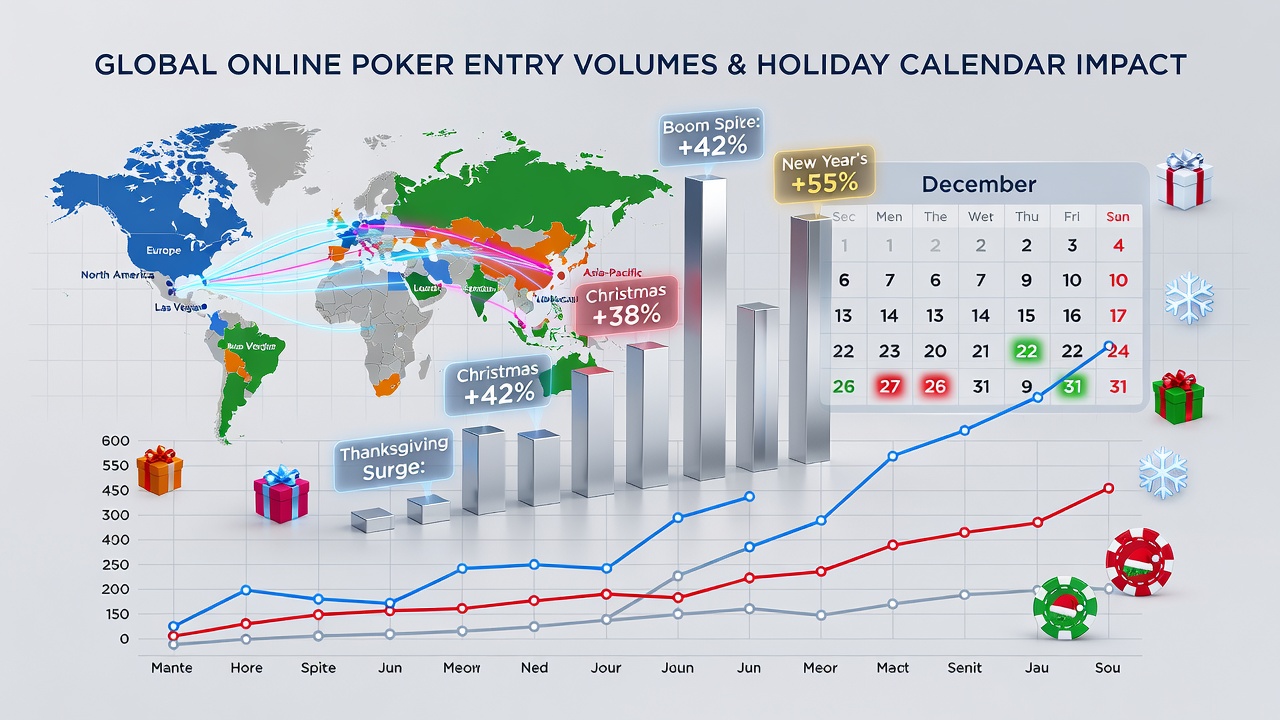
Global holiday calendars create measurable patterns in entry volumes for online poker events, with data from multiple regions revealing both increases and decreases depending on the time of year and local traditions. Observers note that periods such as Christmas and New Year often coincide with extended time off for workers in North America and Europe, yet platform statistics show mixed results where some tournaments see higher participation while others experience drops as players prioritize family commitments.
Regional Variations in Holiday Timing
Chinese New Year produces notable surges in Asian markets during late January or February, when extended breaks allow more individuals to join events, and platforms report elevated entry numbers from China, South Korea, and neighboring countries. In contrast, summer holiday months in the northern hemisphere align with school breaks and vacation periods, which data indicates can boost volumes in Europe and North America because leisure time expands, while southern hemisphere regions experience different cycles around their own summer months. August 2026 figures highlighted continued trends where European platforms recorded steady growth in mid-month entries during peak vacation windows, whereas North American numbers fluctuated based on back-to-school preparations overlapping with remaining summer days.
India's Diwali season and Australia's Christmas-New Year period generate their own spikes, and analysts track how these events affect cross-border participation when time zones allow overlapping play windows. Researchers at academic institutions studying digital gaming behavior have documented that players in regions with staggered holidays often fill gaps left by quieter markets, maintaining overall platform activity even as individual regions vary.
Unexpected Patterns in Entry Data
One pattern that stands out involves holiday weekends where entry volumes drop more sharply than expected on certain days, such as the actual holiday itself when family obligations peak, yet rebound strongly on surrounding days when many participants return to screens. Data from tournament operators shows that major events scheduled on December 25 historically draw lower fields compared to December 26 or 27, while similar dips appear around July 4 in the United States and January 1 across multiple time zones. These shifts occur because travel and gatherings reduce available hours, even though overall month-long figures may remain stable or rise due to increased leisure across the broader calendar period.
Platform Adjustments and Scheduling Responses
Operators respond to these calendar-driven changes by adjusting start times and guarantee structures around known holiday clusters, and figures reveal that events moved to late evening or early morning slots sometimes capture players who would otherwise sit out. Industry reports from the Malta Gaming Authority track how European operators adapt schedules during December and August to align with regional work patterns, while Canadian regulatory summaries note parallel adjustments during national holidays that affect cross-border traffic. Such scheduling tweaks demonstrate how platforms use historical entry data to anticipate and mitigate volume swings rather than simply accepting them.
Additional examples appear during Ramadan in Muslim-majority countries, where evening and nighttime play increases as daily routines shift, and operators have recorded higher participation in after-sunset tournaments compared to daytime equivalents. Similar observations come from studies of Jewish holiday periods and their effects on Israeli and diaspora player bases, where volumes shift rather than disappear.
Data Sources and Measurement Approaches
Measurement relies on aggregated entry statistics shared by major platforms and cross-referenced with public gaming reports from authorities in diverse jurisdictions. The Australian Department of Infrastructure, Transport, Regional Development, Communications and the Arts publishes periodic summaries that include digital entertainment metrics around national holidays, and these align with poker-specific data showing consistent patterns across years. Academic papers examining time-use surveys further support the connection between calendar events and online activity levels, providing context for why certain holidays produce larger or smaller fields than neighboring weeks.
Conclusion
Holiday calendars continue to shape entry volumes for online poker events through predictable yet regionally distinct mechanisms, with data from August 2026 and prior periods confirming both expected increases during leisure windows and surprising dips on peak family days. Platforms that monitor these patterns adjust schedules accordingly, while researchers and regulators track outcomes across continents to understand the broader dynamics at play. These calendar effects remain a consistent factor in tournament planning worldwide.