Shifting Shadows: How Regional Rule Changes Redirect Player Flows in Cross Border Digital Card Ecosystems
Written by Ulrich Wagner · Aug 13, 2026
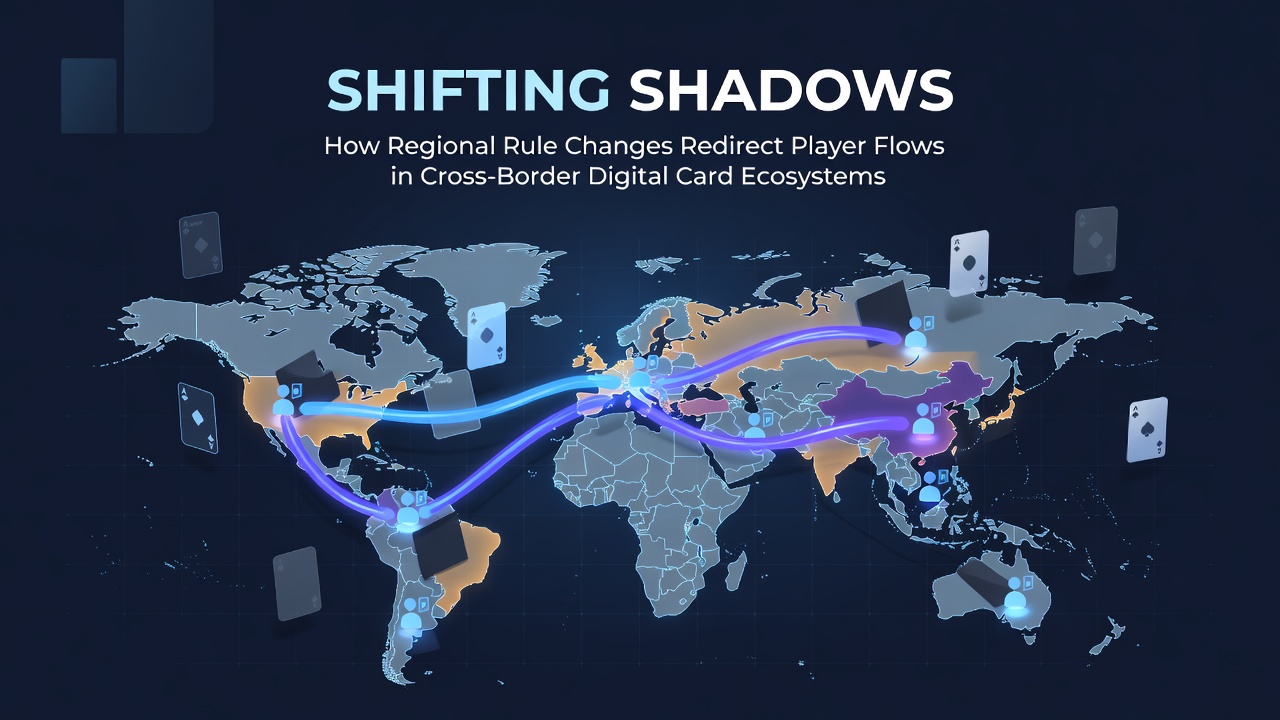
Shifting Shadows: How Regional Rule Changes Redirect Player Flows in Cross Border Digital Card Ecosystems
Regional regulations continue to reshape how participants navigate digital card platforms that span multiple jurisdictions, and observers note that these shifts often occur when licensing requirements or tax structures change in one area while remaining stable elsewhere. Data from industry tracking services shows player activity migrating toward platforms operating under frameworks that impose fewer restrictions on cross-border access, particularly after enforcement actions take effect in previously popular locations. Researchers tracking these movements have documented patterns where participants relocate sessions to servers hosted in regions with updated compliance rules, and this dynamic has accelerated in 2026 as several governments introduced new oversight measures.
Regulatory Triggers and Resulting Migrations
When authorities in one country implement stricter licensing for online card operations, activity frequently redistributes to nearby markets that maintain lighter oversight, and analysts at the European Gaming and Betting Association have recorded corresponding increases in traffic to compliant platforms in adjacent states. These adjustments happen because operators adjust their service offerings to align with local statutes, while players respond by selecting environments where access remains uninterrupted. Studies from academic institutions examining digital gaming behaviors indicate that such redirects occur within weeks of policy announcements, especially when new rules affect deposit limits or game availability.
August 2026 brought additional clarity to several pending frameworks across North America and parts of Asia, where updated statutes clarified definitions for cross-border participation and prompted operators to revise their regional strategies accordingly. Participants who previously concentrated activity in one primary market began exploring alternatives as soon as announcements confirmed enforcement timelines, and platform analytics reflected measurable changes in session origins during that period. Those who follow these ecosystems point out that the timing of these announcements often coincides with seasonal peaks in participation, amplifying the visible effects on traffic distribution.
Platform Adaptations Across Jurisdictions
Operators respond to these regulatory variations by establishing operations in multiple licensing zones simultaneously, and this approach allows them to maintain service continuity even as individual regions tighten controls. Evidence from market reports reveals that platforms with diversified regulatory footprints experience smaller disruptions compared to those reliant on a single jurisdiction, while players gain options to shift between different access points without altering their core activities. Data indicates that such multi-jurisdictional setups have become more common since 2024, as companies seek to mitigate risks associated with sudden policy reversals.
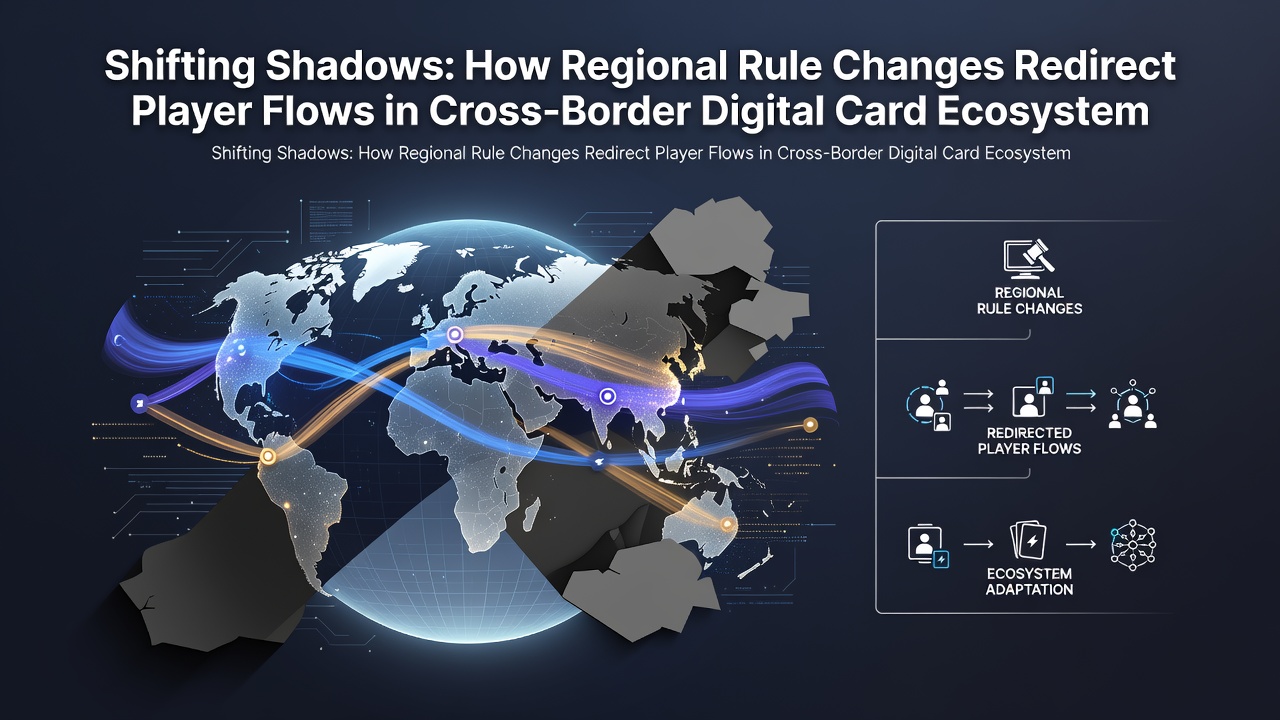
Take one operator that expanded its licensing footprint into Canada and Australia during the first half of 2026, and observers documented subsequent stabilization in overall user engagement despite restrictions introduced elsewhere. This case illustrates how geographic diversification functions as a practical response to fragmented regulatory landscapes, and similar strategies appear in reports from other major providers. Industry data further shows that platforms incorporating these adjustments often retain higher percentages of their user bases during periods of regional upheaval.
Participant Behavior and Access Patterns
Individuals engaged in these ecosystems demonstrate consistent preferences for environments where regulatory clarity reduces uncertainty around account access and fund handling, according to surveys conducted by research groups focused on digital leisure activities. When rules change in a primary location, many participants test platforms in secondary markets before committing fully, and this trial period typically lasts between two and four weeks based on aggregated usage statistics. The result is a gradual redistribution rather than abrupt wholesale movement, allowing operators time to adjust capacity and compliance measures.
Figures released by Canadian regulatory bodies highlight increased cross-border inquiries during the summer of 2026, coinciding with policy updates in several European jurisdictions, and these inquiries translated into sustained activity on platforms holding appropriate licenses for those participants. Researchers emphasize that such flows depend heavily on the speed at which operators communicate new access options, since delays can lead participants to explore less established alternatives. What's interesting is how these patterns repeat across different regulatory cycles, creating predictable cycles of adjustment that both operators and participants have learned to anticipate.
Conclusion
Regional rule modifications continue to influence where digital card activity concentrates, with measurable effects on platform traffic and operator strategies that extend across multiple continents. Data collected through 2026 demonstrates that participants and companies alike adapt by monitoring policy developments and positioning themselves accordingly, while the overall ecosystem reflects ongoing adjustments to these shifting conditions. Future changes will likely follow similar trajectories as governments refine their approaches to cross-border digital card participation.